


7 Smart Ways To Design a Second Home in Goa for Remote Owners
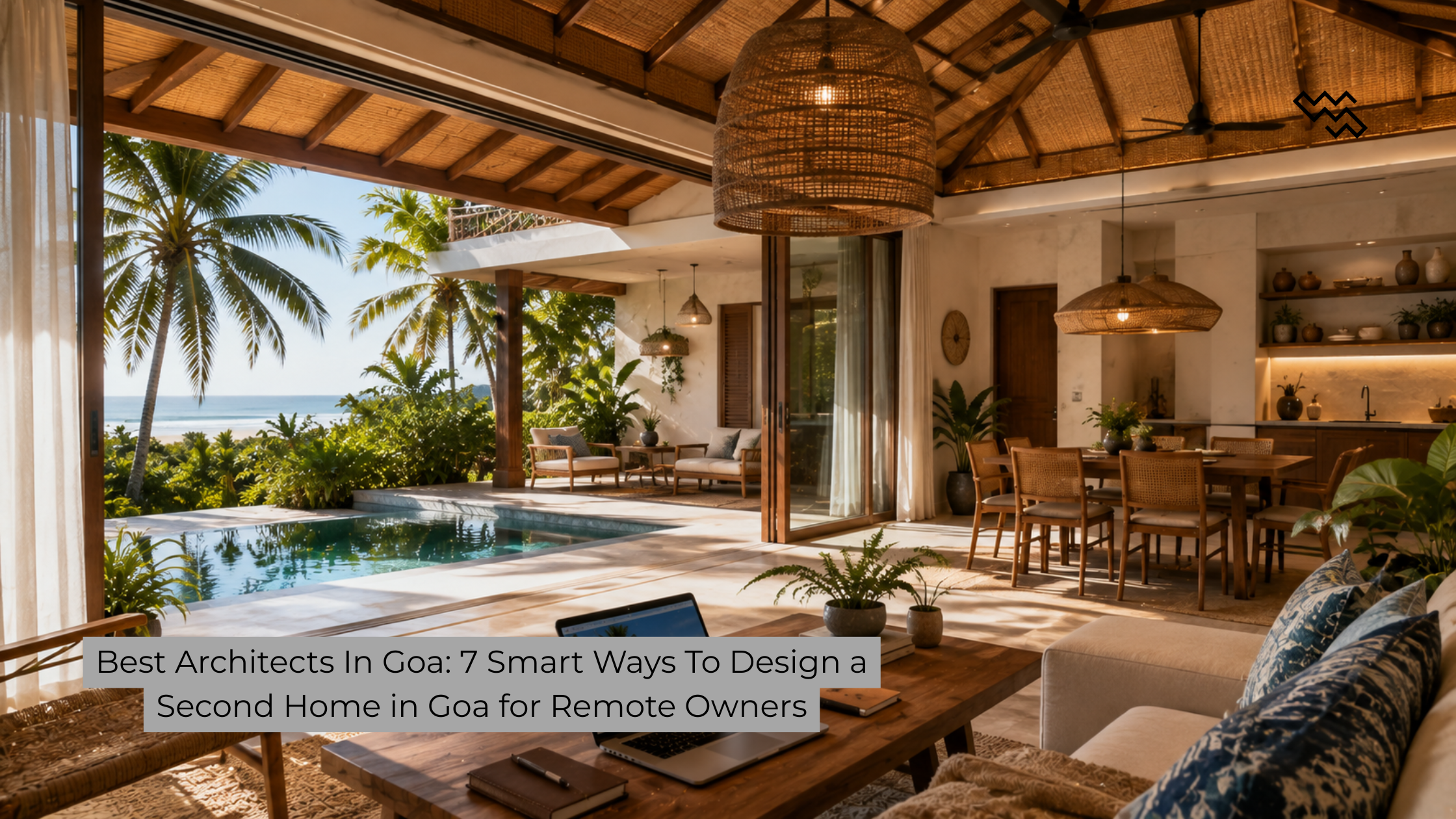
Best Architects In Goa: 7 Smart Ways To Design a Second Home in Goa for Remote Owners
Table of Contents
ToggleDesigning a luxury second home in coastal India offers an unmatched lifestyle, yet managing a build from another city presents unique logistical hurdles. Whether you are building a secluded holiday villa in Siolim or a coastal estate in Palolem, aligning your vision with the Best Architects In Goa ensures your property remains structural, stunning, and effortless to maintain from afar.
Building a second residence across state lines often exposes homeowners to unforeseen environmental and operational challenges. Long-distance owners routinely face issues like heavy monsoon moisture damage, delayed contractor updates, unexpected site revisions, and security concerns during long vacant periods. Without local architectural oversight, a dream holiday getaway can quickly become an ongoing maintenance burden.
In this comprehensive guide, you will learn seven actionable design strategies tailored specifically for non-resident homeowners. From climate-responsive layouts and moisture-resistant natural materials to automated remote monitoring, this roadmap helps you build a resilient, low-maintenance sanctuary.
The Evolving Landscape of Second Home Architecture in Goa
Goa’s residential real estate landscape has transformed significantly, shifting from standard holiday rentals to sophisticated, year-round luxury estates. High-net-worth individuals, tech entrepreneurs, and NRI investors are increasingly investing in North Goa luxury villas in Assagao, Anjuna, and Moira, as well as tranquil South Goa holiday homes in Benaulim and Varca.
Today, owning a second home is about creating an authentic sanctuary that balances local architectural charm with modern convenience. Prominent Residential Architects In Goa prioritize sustainable site planning, native eco-materials, and smart security to safeguard properties through changing seasons.
Executing a successful build from afar requires specialized regional knowledge. Partnering with experienced Second Home Architects in Goa allows remote owners to navigate local building approvals, Coastal Regulation Zone (CRZ) setbacks, and monsoon-proofing strategies with complete peace of mind.
Also Read: Whether you are planning a secluded estate in Siolim or an ultra-luxury compound in Assagao, referencing a complete guide on best luxury villa architecture in Goa and regional design strategies ensures your project balances local heritage charm with high-end modern amenities.
7 Smart Architecture Strategies for Remote Goa Homeowners
Designing for a secondary home requires a different mindset than crafting a primary urban residence. The following seven strategies focus on climate endurance, spatial ease, and long-distance operational control.
1. Prioritize Climate Responsive Architecture & Passive Cooling
Goa’s tropical coastal climate features high humidity, intense solar heat, and heavy monsoons. Designing without climate responsiveness forces heavy reliance on air conditioning and increases long-term utility costs.
Leading Luxury Home Architects in Goa utilize passive cooling techniques to keep interiors naturally fresh:
- Orienting building layouts to capture prevailing coastal sea breezes.
- Incorporating high ceiling volumes and continuous ridge ventilation to release trapped indoor heat.
- Designing deep roof overhangs (balcões) to shade exterior glass assemblies from harsh afternoon sun.
2. Design Around Seamless Indoor Outdoor Living
A central appeal of Goan coastal living is the fluid connection between indoor comfort and natural surroundings. Incorporating open-plan pavilions, shaded verandahs, and internal courtyards brings light and greenery deep into the floor plan.
By installing wide sliding glass doors and covered outdoor lounges, Best Villa Architects in Goa expand usable living space. These sheltered transitional zones allow homeowners to enjoy tropical gardens even during heavy monsoon downpours.
3. Specify Resilient Local Materials Like Laterite Stone and Teak
Material selection determines how gracefully a vacant home handles intense weather. Standard urban finishes often degrade under constant coastal salinity and monsoon humidity.
Top design teams specify time-tested local materials:
- Laterite stone: Naturally porous local rock providing structural strength and thermal mass.
- Reclaimed teak wood: Highly resistant to moisture expansion, termites, and salt air.
- Lime plaster finishes: Naturally breathable wall treatments that mitigate indoor dampness and mold growth.
4. Integrate Smart Home Automation for Remote Property Monitoring
Managing a home from hundreds of miles away requires real-time visibility and control over internal systems. Smart home automation transforms remote management into a simple smartphone operation.
Key automated integrations for second homes include:
- Remote HVAC controls to dehumidify living zones before arrival.
- Automated leak-detection sensors linked to main water shutoff valves.
- Smart locks, perimeter security cameras, and automated lighting schedules to secure vacant premises.
5. Build Low-Maintenance Landscapes and Storm Water Drainage
Expansive tropical lawns require constant manual watering and weeding, making them impractical for vacant properties. Intelligent landscape architecture focuses on self-sustaining, native ecosystems.
Using native flora—such as frangipani, coastal palms, and local ferns—reduces irrigation needs. Additionally, integrating deep French drains, rain gardens, and pervious paving prevents water stagnation and soil erosion during intense rainy seasons.
6. Implement Secure Zone Planning for Monitored Lock-and-Leave Living
A well-designed second home allows owners to pack up and depart in minutes without complex shutdown procedures. Secure spatial zoning separates private master suites from guest areas and service quarters.
Installing motorized hurricane shutters over large glass facades protects windows from flying debris during coastal storms while acting as a visual security barrier when the house remains unoccupied for extended periods.
7. Plan Self-Contained Staff Quarters and Maintenance Bays
Maintaining a pristine luxury home requires periodic housekeeping, garden care, and pool maintenance. Designing dedicated staff quarters with independent access keeps daily service operations unobtrusive.
Including external utility bays for water filtration systems, generator backup units, and pool pumps ensures technicians can perform routine servicing without accessing main private living suites.
Executing Remote Builds: From Blueprint to Site Supervision
Building a luxury home while living in another city requires structured governance, clear communication, and reliable local representation.
Initial Site Analysis ➔ 3D Spatial Renders ➔ Local CRZ Clearances ➔ On-Site Construction Supervision ➔ Turnkey Handover
The Value of Turnkey Architectural Oversight
Working with full-service architectural studios streamlines communication by consolidating structural design, interior layouts, vendor sourcing, and site supervision under one contract.
During active construction, your lead architect oversees structural concrete casting, verifies waterproofing tanking details, and manages local artisan teams. Weekly digital video reports and drone updates keep remote owners fully engaged without requiring constant site visits.
Evaluating Service Models: Traditional Design vs. Turnkey Architecture
Selecting the right professional collaboration model determines your direct involvement, construction timeline, and personal stress levels.
| Project Metric | Concept & Design-Only Model | Full Turnkey Architecture Services |
| Scope of Work | Blueprints, 3D designs, & specification sheets | Complete execution from initial permits to final keys |
| Site Coordination | Periodic architectural reviews | Continuous on-site engineering & contractor oversight |
| Vendor Management | Managed directly by the homeowner | Fully handled by the primary architecture firm |
| Monsoon Protection | Specified on paper; client-policed | Rigorously implemented & tested on-site by design leads |
| Best Suited For | Local residents with time for site visits | Remote owners & NRIs seeking a seamless experience |
Essential Questions to Ask Before Hiring
When evaluating Residential Architects In Goa, ask these key questions during your preliminary consultation:
- How do you handle daily site updates and quality control for out-of-station clients?
- What specific damp-proofing and waterproofing measures do you incorporate for monsoon durability?
- Can you demonstrate experience navigating local Panchayat regulations and Coastal Zone approvals in Goa, India?
Professional Tips for Remote Homeowners
Senior architectural strategists share three vital principles for building a lasting holiday home:
Never Compromise on Waterproofing: Apply multi-layer crystalline waterproofing screeds to all flat roofs, retaining walls, and sunken slabs. Fixing water ingress after finishes are installed is costly and disruptive.
Design for Micro-Ventilation: Install trickle vents or louvers above door frames to maintain continuous air movement when doors and windows remain shut for weeks.
Plan Solar and Battery Backups: Power fluctuations can occur during severe tropical storms. Integrating rooftop solar arrays with lithium battery backups keeps security cameras, refrigerators, and smart hubs running continuously.
How Do I Design a Second Home in Goa?
Designing a second home in Goa requires selecting climate-resilient materials like laterite stone and teak, creating passive-cooling layouts, and implementing smart security systems for remote management. Partnering with the Best Architects In Goa ensures proper CRZ compliance, robust monsoon waterproofing, and seamless site supervision from initial concept to turnkey delivery.
Frequently Asked Questions
Who are the Best Architects In Goa?
The Best Architects In Goa are licensed, accredited architectural firms with proven portfolios in luxury residential projects across North and South Goa, India. Look for studios with expertise in tropical villa design, climate-responsive construction, local regulatory clearances, and comprehensive site supervision for remote clients.
How do I design a second home in Goa?
Start by defining your lifestyle needs, budget parameters, and site orientation. Hire experienced Second Home Architects in Goa to develop climate-focused layouts with high ceilings, deep verandahs, and breathable materials. Ensure your plans incorporate smart security automation and low-maintenance native landscaping for easy remote management.
How much does a second home cost in Goa?
The cost of building a luxury second home in Goa varies based on plot location, material selections, and architectural scale. High-end villa construction generally ranges from ₹3,500 to ₹7,000+ per square foot for premium turnkey specifications, including imported natural stone, custom joinery, and automated home systems.
What design works best for homes in Goa?
A tropical, climate-responsive design works best for homes in Goa. Incorporating steeply sloping tiled roofs, open balcões (verandahs), internal courtyards, laterite stone masonry, and wide overhangs protects the structure from heavy monsoon rains while maximizing natural breeze and indoor cooling.
How can I manage my Goa home remotely?
You can manage your Goa home remotely by installing smart home automation systems for lighting, security cameras, and climate control. Partnering with professional property management services and relying on low-maintenance construction materials allows remote owners to maintain their holiday home effortlessly from any location worldwide.
Build Your Coastal Haven with Goa’s Premier Architects
Creating a magnificent holiday home requires creative vision, deep local technical knowledge, and reliable project governance. Partnering with established regional experts transforms a long-distance build into a smooth, rewarding journey.
Whether you wish to Hire the Best Architects In Goa for villas or explore sustainable Second Home Architects in Goa, expert guidance ensures your home remains a valuable, enduring family asset for generations.
Ready to bring your Goan residence to life?
Contact the Best Architects In Goa today to schedule an architectural consultation for your project.
📍 Jaipur Studio: B-43 Tulip Enclave, Vidhyadhar Nagar
📍 Surat Reference Office: Serving Vesu, Adajan, and Piplod
📞 Consult via WhatsApp: +91 98284 85111
🌐 Explore Our Full Portfolio: WanderlustArchitects.com
Ready to Start Your Project?
Don’t settle for ordinary. Let’s build a landmark.
